
Embarking on your first camping trip is an exhilarating adventure, yet it requires careful preparation, particularly when it comes to selecting the right camping gear. Whether you’re a seasoned outdoor enthusiast or a novice eager to experience the thrill of nature, understanding the basics of camping equipment is vital to ensure a safe and enjoyable experience. This guide aims to provide you with a comprehensive overview of the essential gear you need to consider before setting out on your journey into the great outdoors.
First and foremost, investing in a reliable tent is crucial. A tent serves as your temporary home, offering shelter from the elements and a cozy retreat after a long day exploring. When choosing a tent, consider factors such as size, weight, and ease of setup. If you’re camping in a region known for inclement weather, opting for a tent with strong wind resistance and waterproof features is advisable.
Next, a quality sleeping bag tailored to the specific climate of your destination is essential. Sleeping bags are rated for different temperature ranges, so selecting one that suits the conditions you’re likely to encounter is key to a comfortable night’s sleep.
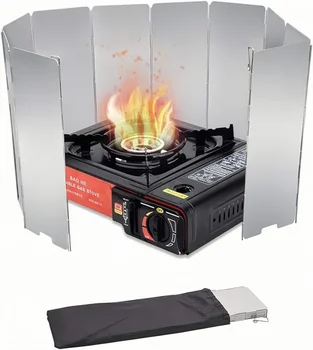
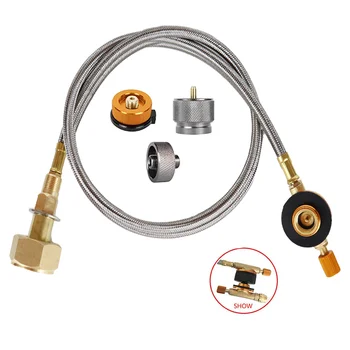
Additionally, don’t overlook the importance of a camping stove or portable cooking gear. While open fires may be romantic, they are not always permitted, and having a reliable cooking system ensures that you can prepare meals safely and efficiently.
Lastly, carry a well-stocked backpack with necessities such as a first-aid kit, flashlight, multi-tool, and ample water supply. These items are fundamental to addressing any minor injuries, navigating in low-light conditions, and maintaining hydration during your trip.
For beginners, the world of camping gear can seem overwhelming, but by focusing on these essentials, you’ll be well-equipped to tackle your first camping adventure with confidence and ease. Explore our product collection to find the perfect gear for your next outdoor excursion.
Understanding the Basics of Camping Gear
Embarking on your first camping trip can be both exciting and a bit daunting, especially when it comes to choosing the right gear. Understanding the fundamentals of camping equipment is crucial to ensure a safe and enjoyable outdoor experience. At its core, camping gear is designed to provide comfort, safety, and convenience, allowing you to connect with nature while minimizing potential challenges.
Start by considering the essentials: a tent, sleeping bag, and backpack. These items create the foundation for a successful camping trip. When selecting a tent, focus on its size, weight, and weather resistance. Ensure it’s spacious enough to accommodate everyone comfortably and can withstand unexpected weather conditions. Your sleeping bag should match the climate of your destination; look for options that offer insulation and are rated for the lowest temperature you expect to encounter. A reliable backpack, meanwhile, should provide ample storage space and be comfortable to carry over long distances.
Additionally, think about the supplementary gear that can enhance your trip, such as a portable stove for cooking, a first-aid kit for emergencies, and a flashlight for nighttime navigation. These items, while not as critical as the essentials, can significantly improve your camping experience by providing convenience and safety.
As you explore the world of camping gear, remember that the right choices can transform your adventure into a memorable experience. Want more insights into camping essentials? Explore our product collection.
The Importance of Choosing the Right Tent
Embarking on your first camping trip is an exciting adventure, but it requires careful preparation, particularly when it comes to selecting the right tent. A tent is more than just a shelter; it is your home away from home, a sanctuary that shields you from the elements and provides comfort after a day of exploration. Choosing the right tent is crucial to ensuring a successful and enjoyable camping experience.
One of the primary considerations in choosing a tent is its size. It’s essential to select a tent that comfortably accommodates all campers, along with their gear. A tent that is too small can lead to cramped conditions and discomfort, while a tent that is too large may be cumbersome to carry and set up. Additionally, consider the height of the tent; being able to stand up can make a significant difference in comfort.
Another vital factor is the tent’s seasonality. Tents are typically categorized by season, with three-season tents being the most popular for beginners. These are suitable for spring, summer, and fall, providing adequate protection against rain and wind. However, if your adventure takes you into colder climates, a four-season tent would be more appropriate, offering enhanced insulation and sturdiness against snow and harsh winds.
Material and durability should not be overlooked. A high-quality tent made from durable materials ensures longevity and reliability. Look for tents with reinforced seams and sturdy zippers, as these features contribute to the tent’s overall resilience.
Ventilation is another crucial aspect. Proper airflow helps prevent condensation inside the tent, keeping the interior dry and comfortable. Tents with mesh panels and ample windows can facilitate effective ventilation.
Finally, consider ease of setup. A tent that is easy to pitch saves time and reduces frustration, allowing you to spend more time enjoying the great outdoors. Many modern tents come with user-friendly designs and color-coded poles that simplify the setup process.
In summary, choosing the right tent involves assessing size, seasonality, material, ventilation, and ease of setup. By prioritizing these elements, you can ensure your first camping trip is comfortable and memorable. Explore our product collection to find the perfect tent for your adventure.
Sleeping Bags and Sleeping Pads Selection
Embarking on your first camping trip is an exciting adventure, but choosing the right sleeping gear is crucial for a comfortable and restful experience. Your bed in the great outdoors consists primarily of a sleeping bag and a sleeping pad, two essentials that can make or break your trip. Let’s explore how to select these vital components.
Choosing the Right Sleeping Bag
When selecting a sleeping bag, consider the climate and temperature you’ll encounter. Sleeping bags come in various temperature ratings, indicating the lowest temperature at which the bag will keep you warm. For three-season camping, a bag rated for 20-30 degrees Fahrenheit is usually sufficient. For colder climates, opt for a bag rated for 0-20 degrees Fahrenheit. Additionally, think about the bag’s shape—mummy bags offer better insulation due to their snug fit, while rectangular bags provide more room and comfort.
Picking the Perfect Sleeping Pad
A sleeping pad is not just a comfort item; it acts as a barrier between you and the cold ground. There are three main types of sleeping pads: self-inflating, air pads, and closed-cell foam pads. Self-inflating pads provide a balance between comfort and insulation, while air pads are lightweight and packable, ideal for backpacking. Closed-cell foam pads are durable and affordable, though they can be less comfortable. Consider the R-value of a pad, which measures its insulating ability; higher R-values are better for colder nights.
As you prepare for your camping adventure, prioritize selecting sleeping gear that suits your needs and enhances your outdoor experience. Explore our product collection to find the perfect fit for your journey.
Cooking Equipment and Food Storage Tips
Embarking on your first camping trip is an exciting venture filled with the promise of adventure and fresh air. However, ensuring that your cooking setup is both efficient and practical can make the difference between a memorable trip and a frustrating experience. Selecting the right cooking equipment is crucial. Begin with a portable stove or a campfire grill, depending on your destination’s regulations. Look for lightweight options that offer ease of use and reliability, such as a compact gas stove that includes an adjustable flame for precise cooking.
For food storage, organization is key. Utilize airtight containers to keep food fresh and protect it from wildlife. Consider a cooler with ice packs for perishables; however, make sure it’s sturdy enough to withstand the outdoor elements. Labeling containers can aid in quick access, preventing unnecessary rummaging through supplies. Moreover, pack reusable utensils and lightweight cookware, like collapsible pots and pans, to save space and reduce waste.
When it comes to meal prep, choose simple recipes that require minimal ingredients and equipment, such as one-pot meals or foil packet dishes. This not only minimizes cleanup but also allows you to enjoy more of the camping experience rather than laboring over complex meals.
Remember, a well-thought-out cooking and storage plan enhances your camping experience by ensuring you’re well-fed and organized. Ready to gear up for your adventure? Explore our product collection to find the perfect equipment for your trip.


0 Comments